The opening conference of the cross-border project “Environmental Risk Assessment from Mining Activities as a Result of Tailings Storage in the Romania–Serbia Border Area” was held on January 29, in the congress hall of the Iulius Town complex in Timișoara. This project is being implemented under the Interreg IPA Romania–Serbia Programme, with the aim of enhancing environmental protection and improving the management of ecological risks in mining regions of both countries.
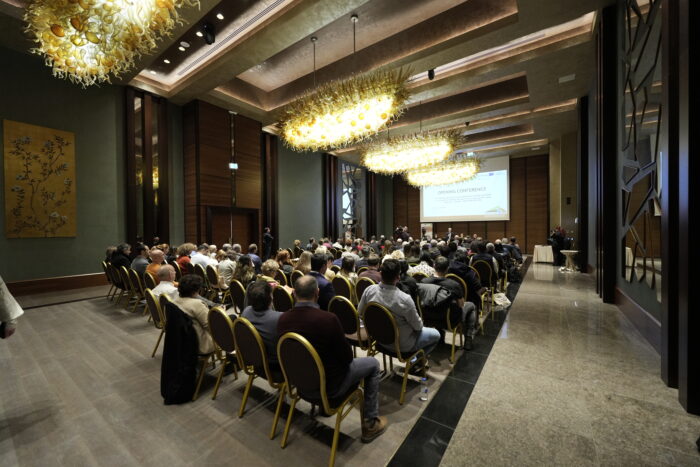
The project is ambitious in scope and has a total value of EUR 1,242,286.25, of which EUR 1,055,943.31 is funded through the IPA III CBC Fund, while the remaining amount is provided by partner institutions. The conference was attended by more than 140 participants, including representatives from the scientific community, local authorities, and the mining industry. The event was opened by PhD Nicoleta Nemeș, the project coordinator, who presented the project’s main objectives and its importance for cross-border cooperation. Opening remarks were also delivered by PhD Liviu Marșavina, Vice-Rector of the Politehnica University of Timișoara, and Ivana Jakšić Matović, Consul General of the Republic of Serbia in Timișoara.
A special focus of the conference was the participation of the Mining and Metallurgy Institute Bor, whose representatives delivered notable presentations on the current state of the mining sector in Serbia and the challenges of managing ecological risks. PhD Daniel Kržanović, the project coordinator on the Serbian side, spoke about the key activities of the Institute within the ERA-MIN project and the importance of international cooperation in environmental protection. MSc Igor Svrkota, Head of the Metallic Mineral Resources Department at the Institute, presented the work and technical capacities of the Institute, emphasizing their contribution to the analysis and assessment of environmental impacts from mining activities. MSc Miloš Stojanović, delivered a presentation titled “Bor and Mining – Challenges and Perspectives”, where he addressed the environmental challenges faced by the Bor District and proposed solutions for improving sustainable mining practices.
The conference concluded with a message highlighting that an interdisciplinary approach, cross-border cooperation, and the implementation of modern technologies are essential for reducing the negative impacts of mining and protecting the environment. The ERA-MIN project, with significant financial support from EU funds, represents an important step in this direction, and the research results and proposed solutions are expected in the upcoming phases of implementation.
Bor as a Hub of Regional Scientific Cooperation within the ERA-MIN Project
On February 27, 2026, the city of Bor hosted an important event dedicated to advancing scientific and professional cooperation in the field of environmental protection and sustainable mining. The event once again highlighted the role of European initiatives in strengthening knowledge, environmental standards, and public safety.
The third workshop of the international project “Environmental risk assessment from mining activities as a result of tailings storage in the cross-border area Romania–Serbia (ERA-MIN_RO-SRB)” was held at the National Library in Bor. The project is supported by the European Union through the IPA Cross-Border Cooperation Programme Romania–Serbia.
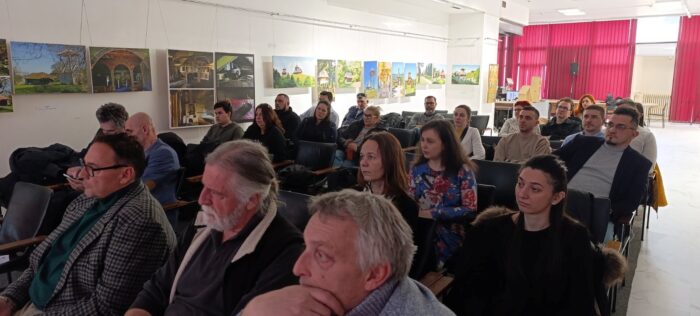
The workshop was opened by Dr. Daniel Kržanović from the Mining and Metallurgy Institute Bor, acting as the project coordinator. In his address, he emphasized the importance of integrating scientific research, institutional cooperation, and social responsibility. He noted that extensive fieldwork, seasonal sampling, and laboratory analyses have already been conducted, and that the project is now entering its final phase, focused on preparing comprehensive studies on environmental and health risk assessment.
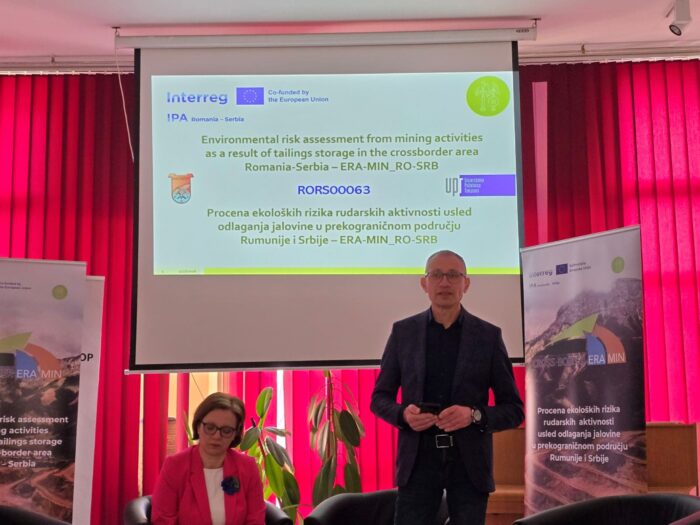
Dr. Nicoleta Nemeș Sorina from the Polytechnic University of Timișoara presented the results of the autumn–winter monitoring campaign, stressing the importance of continuous environmental monitoring and cross-border data exchange, given that environmental issues do not recognize administrative boundaries.
The scientific segment of the program also featured notable contributions from experts in various fields. Miloš Stojanović addressed the topic of mining tailings management, highlighting the need for a systematic approach that includes continuous monitoring and stability assessment of tailings storage facilities. Dr. Dragana Adamović Marković presented the results of the re-evaluation of mining impacts on local watercourses in the Bor area. Her findings indicate a significant reduction in concentrations of copper, iron, and arsenic following the modernization of wastewater treatment systems, confirming the effectiveness of implementing EU-aligned standards.
A particularly notable presentation was delivered by Nick Lucić, an internationally recognized mining expert from Australia, who pointed out that the region is at an important stage of development and that projects like this serve as a model for future international initiatives.
The ERA-MIN_RO-SRB project represents an important step in strengthening research capacities, enhancing cross-border cooperation, and promoting sustainable and responsible mining practices in the Danube region.
International ERA-MIN project workshop held in Timisoara
On April 3, 2026, an international workshop was held in Timișoara, at the Flora Hotel, within the project “Environmental Risk Assessment from Mining Activities as a Result of Tailings Storage in the Cross-Border Area Romania–Serbia (ERA-MIN_RO-SRB)”, implemented with the support of the European Union through the Interreg IPA Romania–Serbia Cross-Border Cooperation Programme.
The event gathered representatives of scientific institutions, environmental protection experts, and representatives of local authorities, with the aim of exchanging knowledge and presenting the results achieved so far within the project.
The workshop was opened with introductory remarks by Prof. Dr. Simon Pescari, Vice-Rector of Politehnica University of Timișoara. This was followed by an address from the project General Manager, Dr. Nicoleta Sorina Nemeș, who emphasized the importance of cross-border cooperation and the role of the project in improving environmental protection in the region.
On behalf of the Serbian partner, the project coordinator, Dr. Daniel Kržanović from the Mining and Metallurgy Institute Bor, also addressed the participants, highlighting the importance of continuous monitoring and a science-based approach in assessing the impact of mining activities on the environment.
During the continuation of the programme, the results of the research conducted so far were presented, including: protocol for seasonal soil monitoring in the Bor region, impact of mining activities on the microbiological quality of waters in the Bor–Majdanpek basin, analyses of microbiological contamination and antimicrobial resistance of waters in the Moldova Nouă area, chemical analyses within seasonal monitoring in the cross-border region.
A special contribution to the discussion was given by Adrian Torma, Mayor of Moldova Nouă, who spoke about the importance of the project for the local community and for improving environmental management.
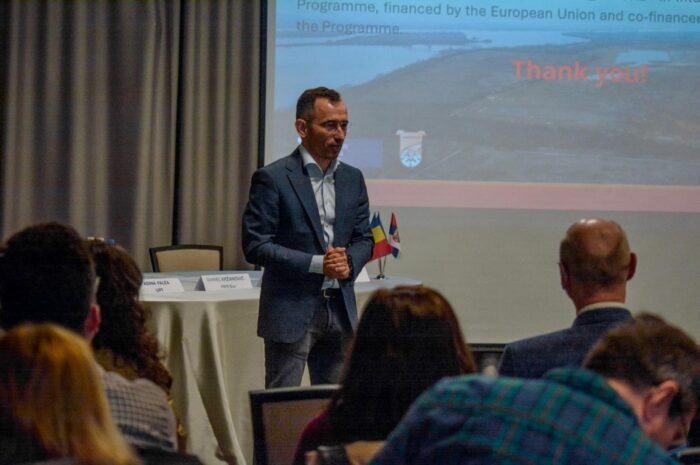
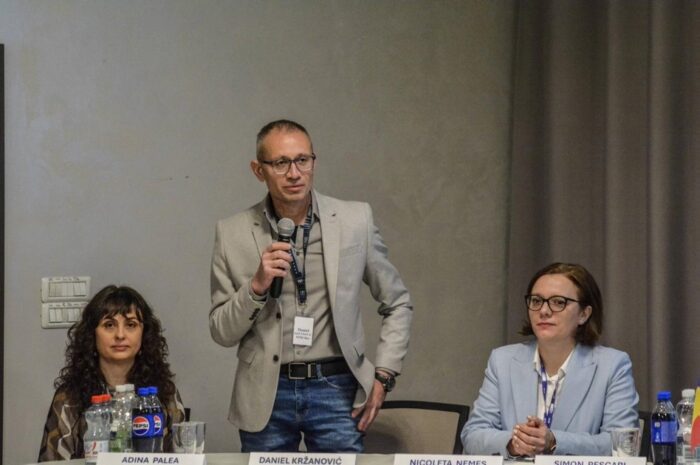
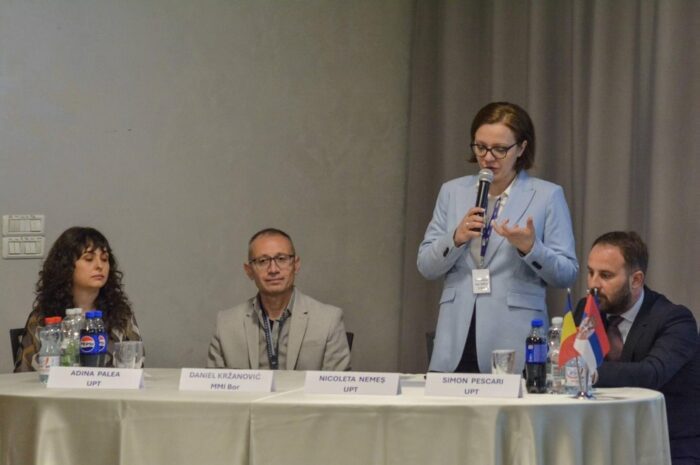
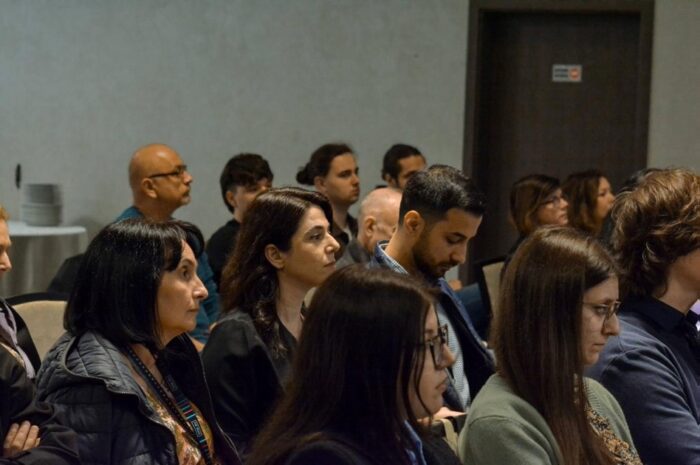
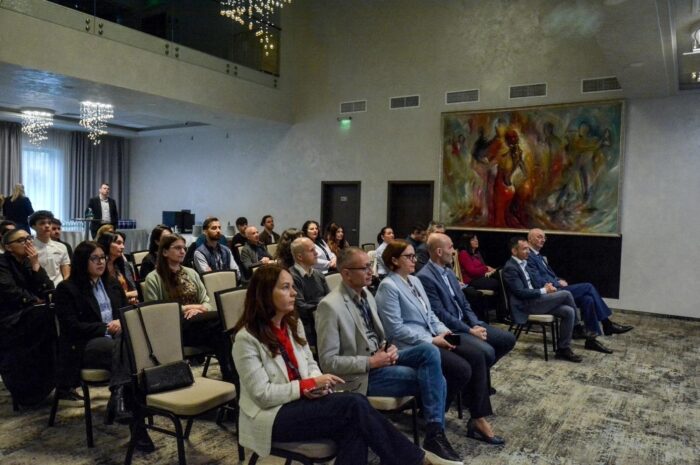
After the working session, a discussion was held during which experiences were exchanged and further steps in project implementation were defined.
The workshop in Timișoara once again confirmed the importance of cooperation between scientific institutions from Serbia and Romania, as well as the role of the European Union in supporting projects that contribute to environmental protection and sustainable regional development
ERA-MIN_RO-SRB Project Workshop Held in Belgrade: Environmental Monitoring Results for the Bor Area Presented
The fifth workshop within the ERA-MIN_RO-SRB project – “Environmental Risk Assessment from Mining Activities as a Result of Tailings Storage in the Cross-Border Area Romania–Serbia” – was held in Belgrade on 31 August 2026. The project is being implemented through cooperation between partners from Serbia and Romania, with the support of the European Union. The workshop was held at the premises of the Mining and Metallurgy Institute Bor in Belgrade.
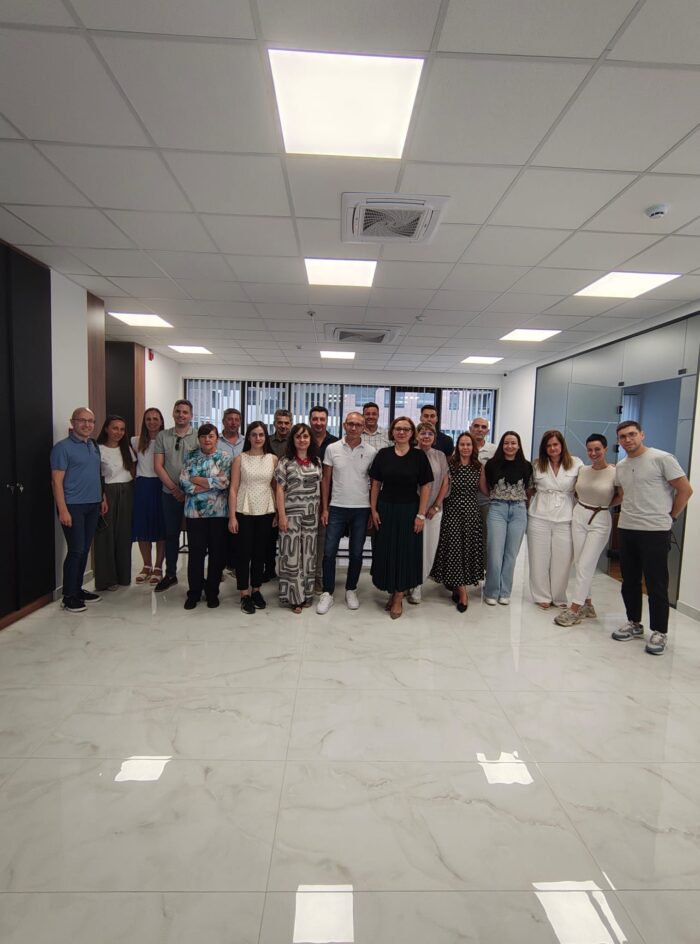
Members of the project teams from Serbia and Romania at the fifth ERA-MIN_RO-SRB project workshop in Belgrade
The workshop brought together members of the project teams from the Mining and Metallurgy Institute Bor and Politehnica University of Timișoara, as well as professors from the Faculty of Mining and Geology, University of Belgrade. The event provided an opportunity to present the results achieved to date, exchange knowledge and experience, and discuss issues relevant to monitoring and mitigating the environmental impacts of mining activities in the cross-border area of Serbia and Romania.
At the beginning of the workshop, the participants were welcomed by Dr Daniel Kržanović, representing the Mining and Metallurgy Institute Bor, and Dr Nicoleta Nemes Sorina, representing Politehnica University of Timișoara.
Particular attention during the workshop was devoted to the results of the one-year environmental monitoring programme. Dr Narcis Duteanu presented the monitoring results from the Romanian side of the cross-border area, focusing on the Moldova Nouă case study, while Dr Dragana Adamović presented the results of the one-year monitoring programme and laboratory analyses conducted in Serbia. Ivan Svrkota presented an overview of mining activities in the Bor area and future activities aimed at monitoring and assessing their environmental impacts.
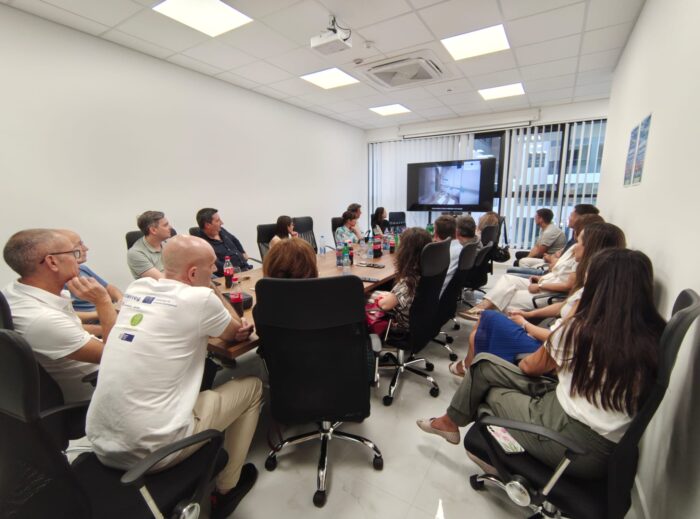
From the fifth ERA-MIN_RO-SRB project workshop, held in Belgrade on 31 August 2026
One of the significant findings presented as part of the project activities concerns changes in the quality of river water in the Bor area. The latest investigations indicate a significant improvement compared with historical conditions, particularly with regard to concentrations of iron, arsenic and copper. Following the implementation of mine wastewater neutralisation measures, iron concentrations decreased by approximately 2,650 times, arsenic concentrations by around 900 times, and copper concentrations by approximately 740 times. A reduction in manganese concentrations was also recorded, although to a lesser extent.
At the same time, however, the results indicate that the impacts of long-term mining activities are still present. Elevated sulphate concentrations are of particular significance, while increased concentrations of copper and manganese were also recorded at certain downstream locations. The investigations further demonstrated that hydrological conditions have a significant influence on water quality, with higher concentrations of pollutants generally occurring during periods of lower flow rates.
The participants also pointed out that the Bor–Majdanpek mining region is entering a new phase of copper and gold mining development. This requires increased attention to the management of mining waste and water resources, environmental rehabilitation processes, and the assessment of impacts on local communities, in order to ensure a balance between increased production and environmental protection.
In this context, the discussions emphasised the importance of continuous environmental monitoring and the timely assessment of changes in environmental conditions. The results obtained so far demonstrate that the implementation of appropriate environmental protection measures can lead to concrete and measurable improvements. At the same time, the treatment of mine wastewater and long-term environmental management remain essential for the continued recovery of watercourses and the protection of downstream areas affected by mining activities.
The workshop concluded with a discussion of the results achieved to date and the project’s upcoming activities. It was emphasised that cooperation among experts from Serbia and Romania, as well as the exchange of knowledge and experience, provide an important basis for a better understanding and management of environmental risks in the cross-border mining region.
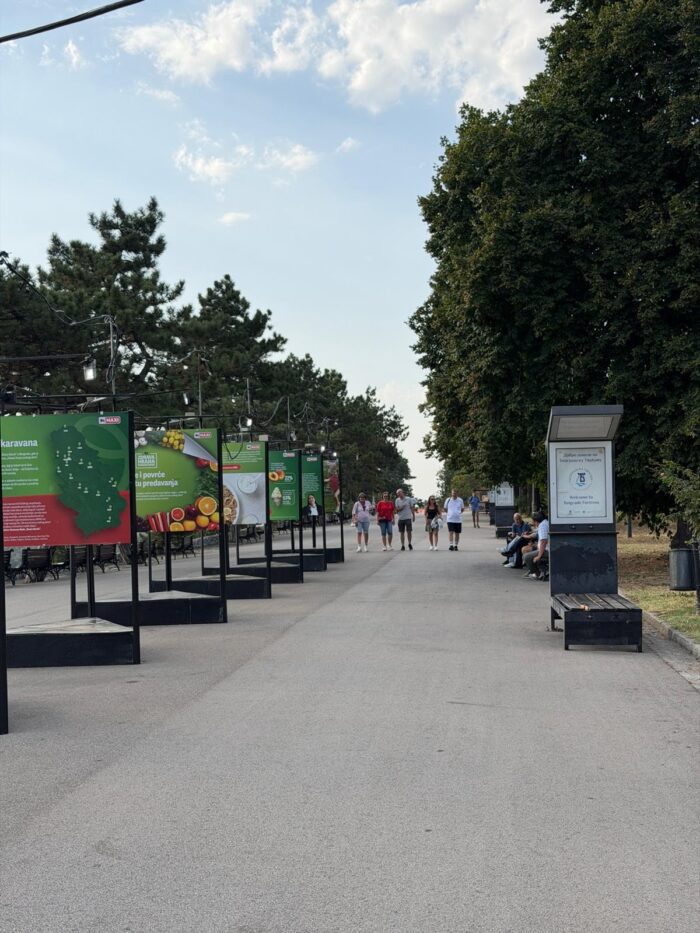
ERA-MIN_RO-SRB project participants during a visit to the Belgrade Fortress and Kalemegdan
The activities continued on 1 September with a visit to the Belgrade Fortress and Kalemegdan, marking the conclusion of the programme of the fifth ERA-MIN_RO-SRB project workshop.